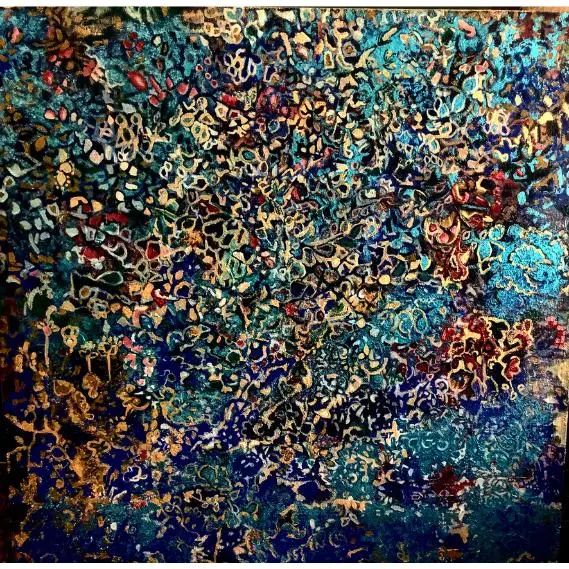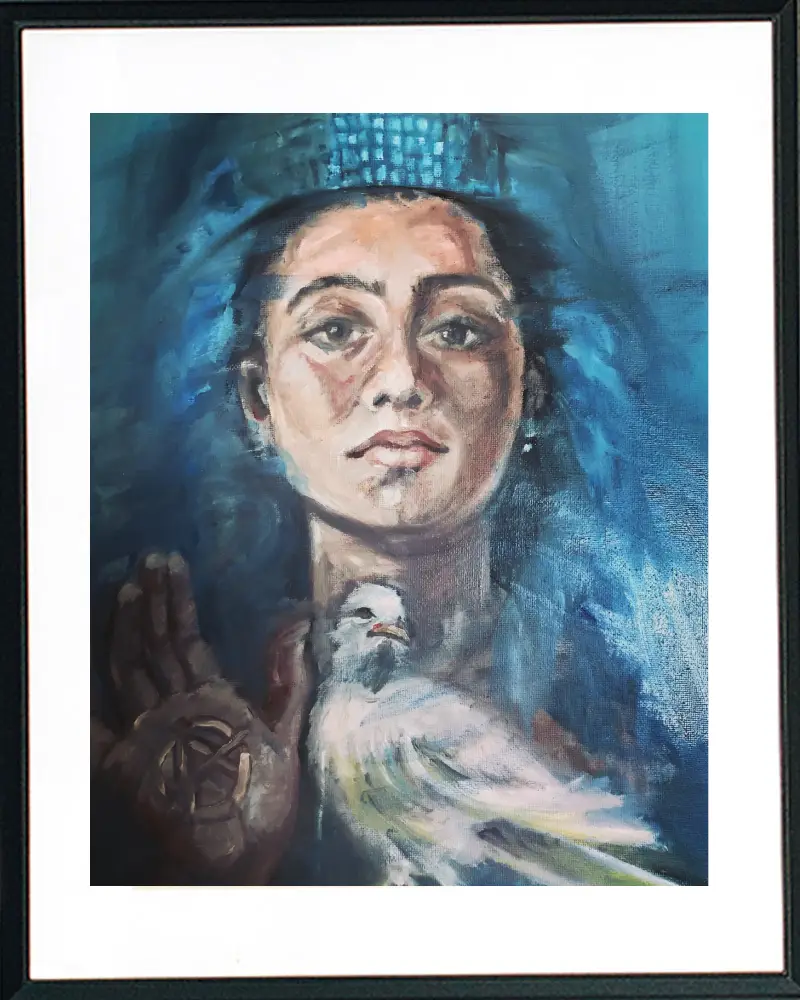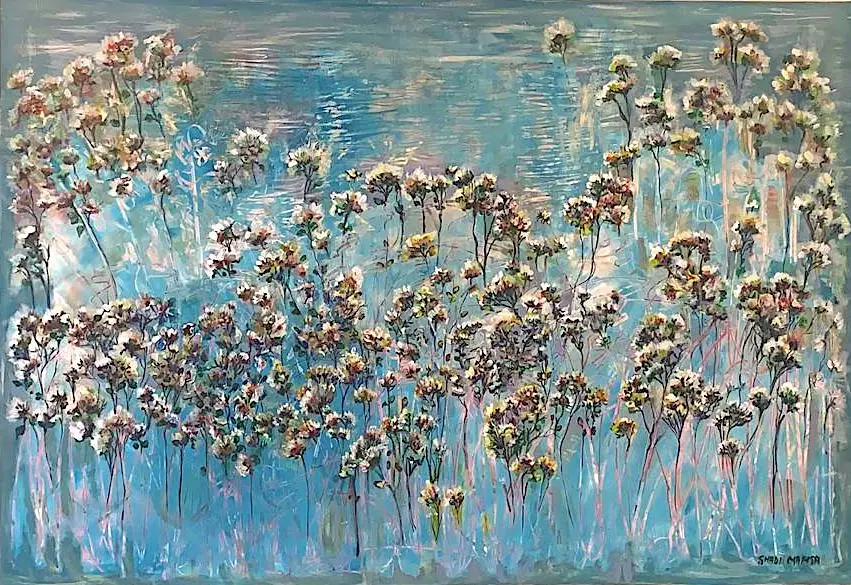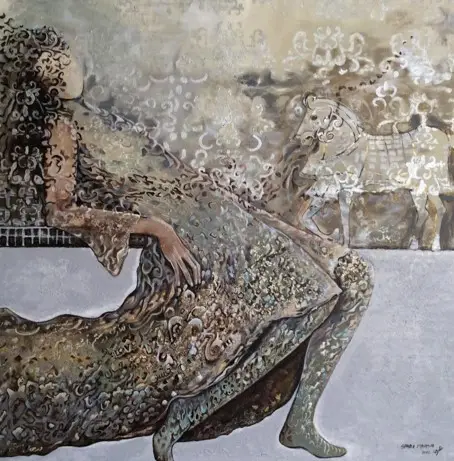

Learning how to interpret abstract art begins by paying attention to how a painting makes you feel, rather than trying to identify what it represents.
Abstract art is best understood through emotion, movement, and personal response rather than literal meaning.
One of the most common things I hear is: “I don’t know how to understand abstract art.”
That uncertainty usually comes from habit, not lack of ability. We’re taught to look for recognisable subjects — faces, landscapes, objects — and when those disappear, it can feel like we’re missing something important.
Abstract art doesn’t reward identification. It rewards attention, which is why many people begin to understand abstraction more clearly after encountering ideas around meaning, emotion, and expression in abstract art.
Once that shift happens, learning how to interpret abstract art becomes less about knowledge and more about awareness.

Abstract art didn’t appear randomly or as a rejection of skill.
In the early 20th century, artists began moving away from depicting the visible world, focusing instead on emotion, rhythm, and inner experience — a turning point grounded in the broader history of abstract art, where expression became as important as representation.
This shift allowed art to communicate things realism couldn’t: mood, tension, stillness, and uncertainty.
Many famous abstract paintings continue to resonate not because we understand them intellectually, but because they create an immediate emotional response, something many people notice when living with abstract art in modern spaces.
If you’re new to abstract art, interpretation doesn’t need to be complicated.
The most helpful first step is noticing how a painting makes you feel — calm, unsettled, energised, reflective — which mirrors the way people often connect emotionally when decorating with abstract art rather than analysing it.
Instead of searching for meaning, notice how the painting moves you — where your eye pauses, drifts, or feels drawn in.
Abstract art isn’t a puzzle to solve. Two people can experience the same painting differently, which is why abstraction is often described as emotional rather than instructional.
A common point of uncertainty is abstract art and contemporary art.
Abstract art describes how a work looks — expressive, non-representational, symbolic — while contemporary art describes when it was made. Understanding this distinction helps remove pressure and allows you to focus on your own response, rather than labels, something explored further in discussions about how modern abstract art fits into contemporary visual culture.
Many famous abstract paintings continue to influence how people experience art because they changed the role of the viewer.
Instead of being told what to see, viewers were invited to participate emotionally — a shift that continues to shape how people live with abstract art today, particularly when choosing pieces for their own homes.
This openness is what allows abstract art to remain relevant across decades.
One of the biggest misconceptions is that abstract art requires education to appreciate.
In reality, abstract art often works best when theory steps aside. People regularly describe feeling more at ease living with abstract works after reading about how chaos, nature, and emotion influence abstract painting.
Abstract art invites attention inward rather than explanation outward.
One of the most practical ways to understand abstract art is to live with it.
Abstract paintings don’t dictate a story, which is why they adapt so easily within modern interiors, often functioning beautifully as statement wall art focal points rather than narrative pieces.
Light, mood, and context change how a painting feels, which many people notice after spending time with works from the abstract collection.
Many beginners worry they’ll get tired of abstract art.
In practice, abstract work tends to deepen rather than fade because it doesn’t lock you into a fixed image, something people often discover when comparing abstract pieces with more literal works in their homes.
This flexibility is why abstract art often feels calmer and more sustainable over time.
If you’re just starting out, this gentle framework helps remove pressure and build confidence.
Abstract paintings often reveal more the longer you sit with them, allowing details, movement, and mood to surface gradually.
Paying attention to how a piece makes you feel creates a stronger and more honest connection than searching for meaning too quickly.
Looking at how colours interact and where your eye naturally moves can help you understand the structure of an abstract work without overthinking it.
Abstract art doesn’t ask for a final interpretation, and letting meaning shift over time is part of the experience.
This approach to understanding abstract artisn’t about learning terminology — it’s about building confidence in how you see and respond to art.
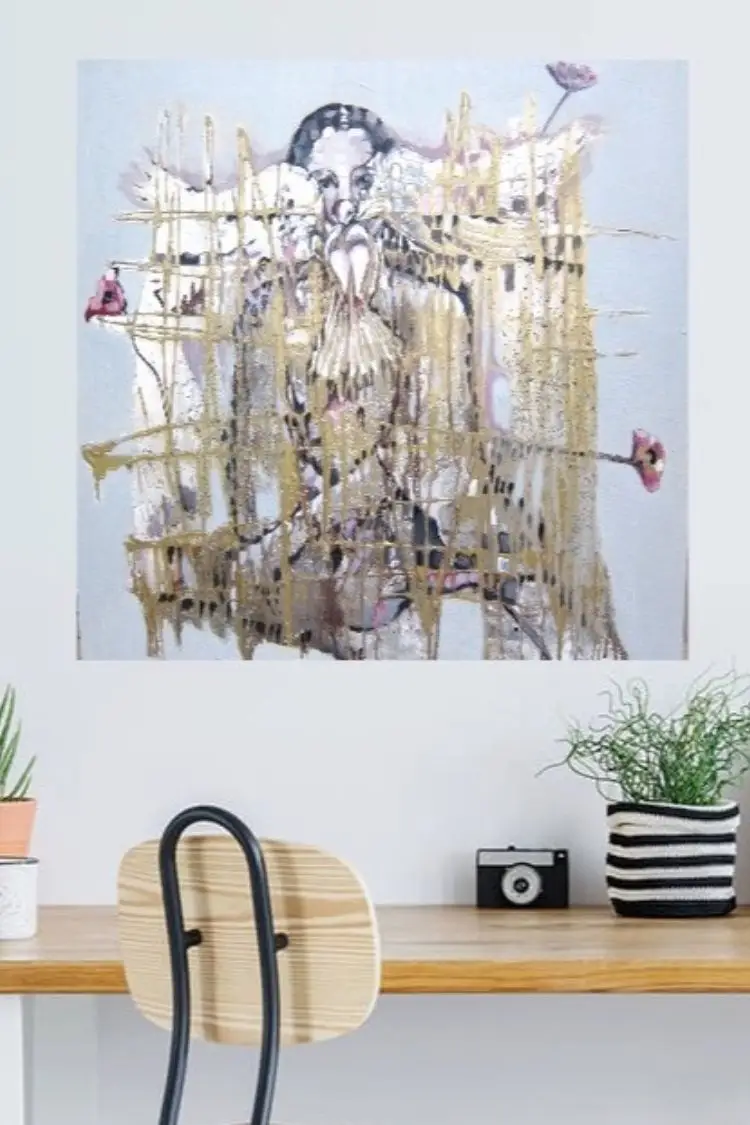
Abstract art encourages a slower way of seeing.
In a world full of instant images, abstract painting creates space for pause and reflection, something many people come to appreciate after spending time with expressive art rather than literal imagery.
Learning how to interpret abstract art isn’t about becoming more knowledgeable — it’s about becoming more attentive.
If this guide has helped you feel more comfortable with abstract art, the next step is simply to spend time with it.
You’re welcome to explore our artworks available on the site or reach out for guidance in choosing a piece that feels right for your space.
By focusing on emotion, movement, colour, and personal response rather than literal meaning.
No. Abstract art is intentionally open, and personal interpretation is part of its value.
Because it removes familiar visual cues and invites emotional rather than narrative engagement.
Yes. Abstract art adapts easily to space, light, and mood.
No. Abstract art is designed to be experienced intuitively.