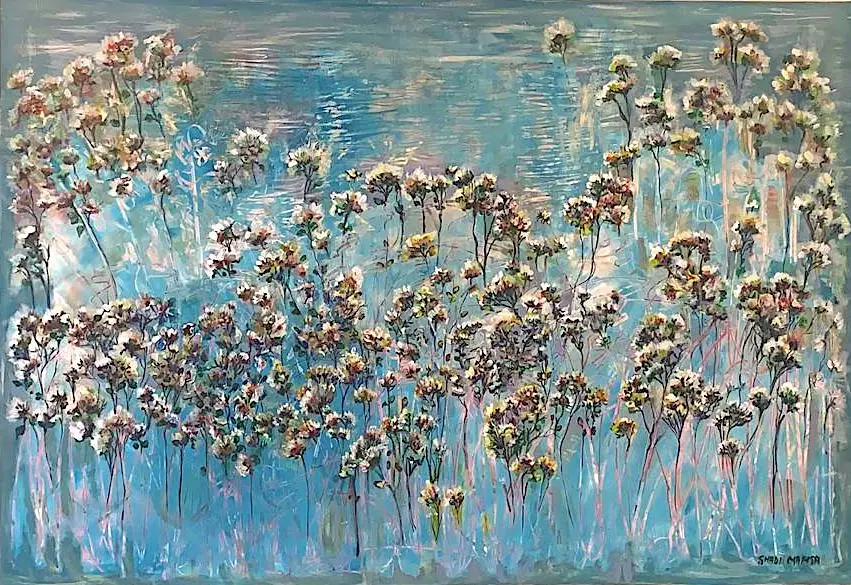
Decorating with nature-inspired art helps create calm, balance, and emotional grounding at home by reflecting natural forms, symbolism, and rhythms we instinctively respond to as humans.
Nature-inspired art brings emotional balance into the home by reconnecting us with natural patterns, symbolism, and organic movement.
I’m often asked why nature-inspired art feels so comforting in a home.
The answer is simple: we’re wired to respond to nature. Even indoors, we look for cues that remind us of the natural world — light, movement, texture, growth, and rhythm — which is why themes explored in the meaning behind art resonate so deeply with people who feel overwhelmed or disconnected in modern spaces.
Decorating with nature-inspired art allows those cues to exist inside our living spaces without trying to recreate the outdoors literally. Instead, it offers a quieter connection — one that supports emotional regulation and a sense of ease rather than visual stimulation.
Many people don’t consciously realise why a nature-inspired piece feels right. They just know the space feels calmer once it’s there.
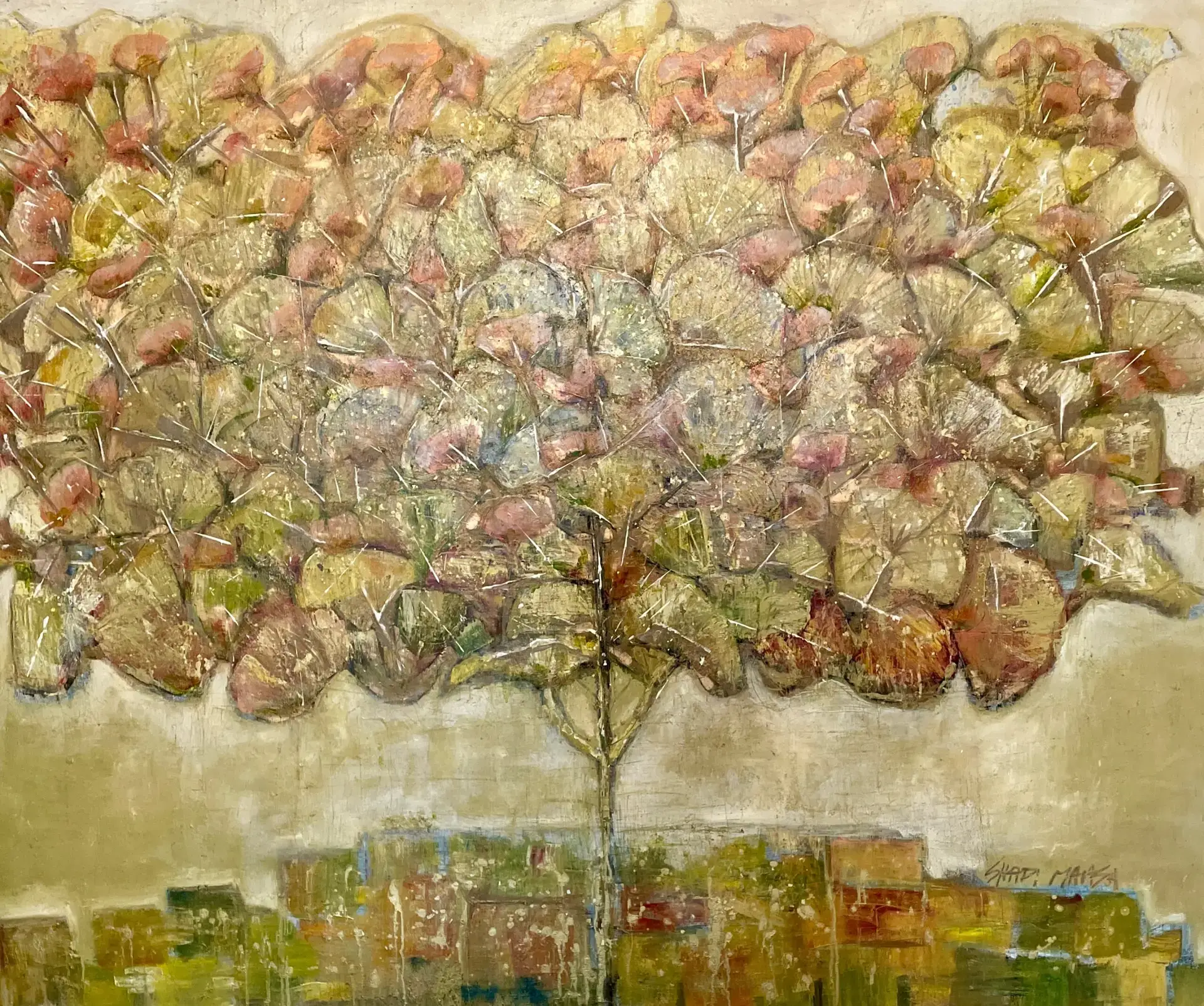
Nature has always played a symbolic role in art, long before it became part of interior design conversations.
Trees, water, skies, and landscapes often represent growth, transition, uncertainty, or stillness. These forms allow emotion to be expressed indirectly, which is why nature symbolism in art often feels personal rather than prescriptive.
Unlike literal imagery, nature-inspired work doesn’t tell us what to feel. It invites us to recognise something we already carry.
This openness is what makes nature-inspired art emotionally accessible, especially for people who feel unsure about how to “understand” art. The same intuitive response is explored in understanding abstract art, where connection comes before interpretation.
Because meaning isn’t fixed, the artwork can change with you — responding differently depending on mood, season, or life stage.
What many people feel emotionally when living with nature-inspired art aligns closely with recognised biophilic design benefits, even if they’ve never heard the term.
Biophilic design focuses on reconnecting people with nature inside built environments. Nature-inspired art plays a similar role by reducing visual tension and supporting calm, especially in spaces dominated by screens, straight lines, and artificial light.
This is why nature-inspired pieces often feel restorative rather than stimulating.
Not every home has access to greenery, gardens, or natural views. In these spaces, art becomes the bridge — offering organic movement and softness where architecture can feel rigid or demanding.
Nature-inspired art doesn’t compete with modern design. It balances it.
Nature isn’t something I replicate exactly — it’s something I translate emotionally.
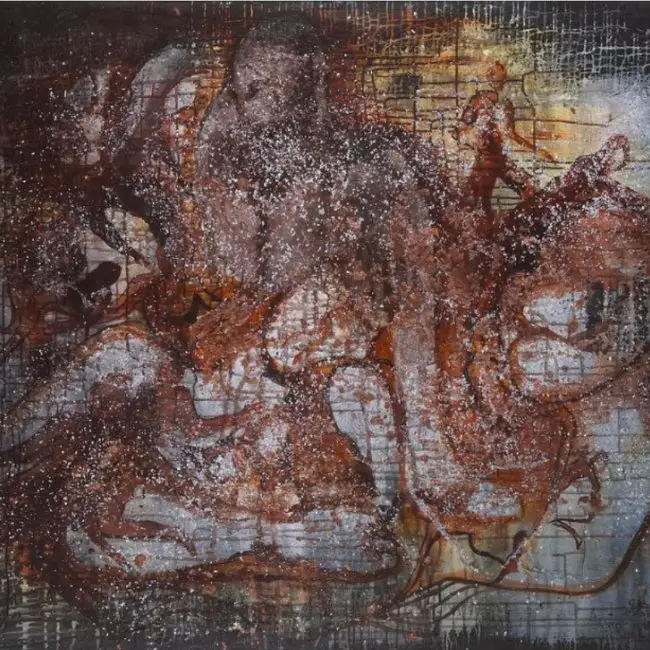
Wind through trees, reflections on water, and shifting landscapes influence how energy moves across the canvas. This approach reflects ideas explored in how chaos theory inspires art, where structure and unpredictability coexist.
Nature rarely moves in straight lines, and that irregularity creates visual honesty.
Even in abstraction, nature follows patterns. Balance comes from allowing freedom while maintaining cohesion — a tension that mirrors how natural systems operate.
Many natural forms follow fractal structures — patterns that repeat at different scales.
From branching trees to river networks, fractal patterns in art feel familiar because our eyes have evolved to recognise them.
This familiarity creates comfort rather than complexity.
Even when compositions feel energetic, underlying patterns give the eye a path to follow. This allows visual interest without overwhelm — one of the reasons nature-inspired art feels grounding in everyday spaces.
People often worry about choosing the “right” artwork. With nature-inspired art, instinct matters more than expertise.
If a piece makes you breathe a little deeper or pause for a moment, that’s usually enough. Emotional response is more important than colour matching or trend alignment.
Larger works can anchor a space, while smaller pieces add rhythm and softness — which is why nature-inspired works often function beautifully as statement wall art focal points in otherwise minimal rooms.
Nature doesn’t rush, and neither should the process of choosing art.
Many people exploring nature-inspired art are drawn to artists, especially by people beginning to explore nature-inspired art more intentionally.
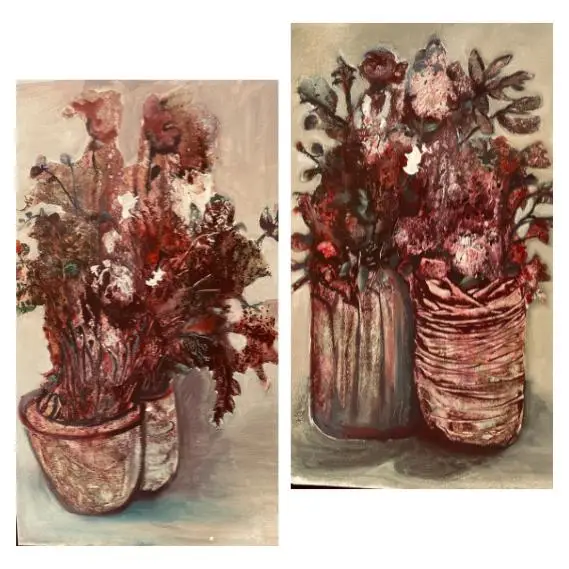
Artists working with nature tend to share sensitivity to movement, restraint, and emotional depth rather than literal depiction. These qualities are also reflected across the nature collection, where abstraction allows space for interpretation.
Exploring different artists helps clarify what kind of nature imagery resonates most with you personally.
One of the most meaningful aspects of decorating with nature-inspired art is how it evolves as you live with it.
Colours shift throughout the day. Textures become more or less visible depending on light and emotional state.
Unlike trend-led decor, nature-inspired art often grows more meaningful over time. Many people notice they feel calmer in spaces where nature imagery is present, even when they stop consciously noticing the artwork.
In a fast, digital world, nature imagery offers a pause.
It reflects cycles, stillness, and connection — ideas that continue to feel essential rather than optional. Nature-inspired art allows those qualities to exist quietly in everyday life, without instruction or explanation.
For me, nature isn’t something to escape to. It’s something to stay connected to.

If this has shifted how you think about art in your home, the next step is simply to spend time with the work itself.
You’re welcome to explore the collections or get in touch if you’d like guidance choosing a piece that feels right for your space.
Nature-inspired art draws from natural forms, movement, and symbolism to create emotional connection rather than literal representation.
It reflects natural rhythms and patterns we instinctively respond to, aligning with biophilic design benefits that support wellbeing.
Start with how the artwork makes you feel rather than how it matches your decor.
Yes. Abstract nature art softens clean spaces while remaining emotionally adaptable.
Because it’s rooted in nature and emotion rather than trends, it tends to remain relevant long-term.