Decorating with portraits brings life and emotion into a room, transforming a space from simply functional to deeply personal. Portraits have the ability to anchor a room and create a connection with anyone who walks in.
Portrait art not only personalises a space but also enhances its emotional depth, giving any room a sense of identity and warmth.
What you’ll learn:
There’s something inherently powerful about decorating with portraits. Unlike other art forms, portraits go beyond mere likeness; they hold stories, identities, and often, deep emotional resonance. The human form and expressions capture a sense of connection, making portraits unique as design pieces.
When placed thoughtfully, portrait art acts as a visual anchor, uniting the room’s aesthetic while adding a personal touch. Whether it’s a painted family member, a historical figure, or an abstract rendering, portrait art introduces both warmth and sophistication to your decor.
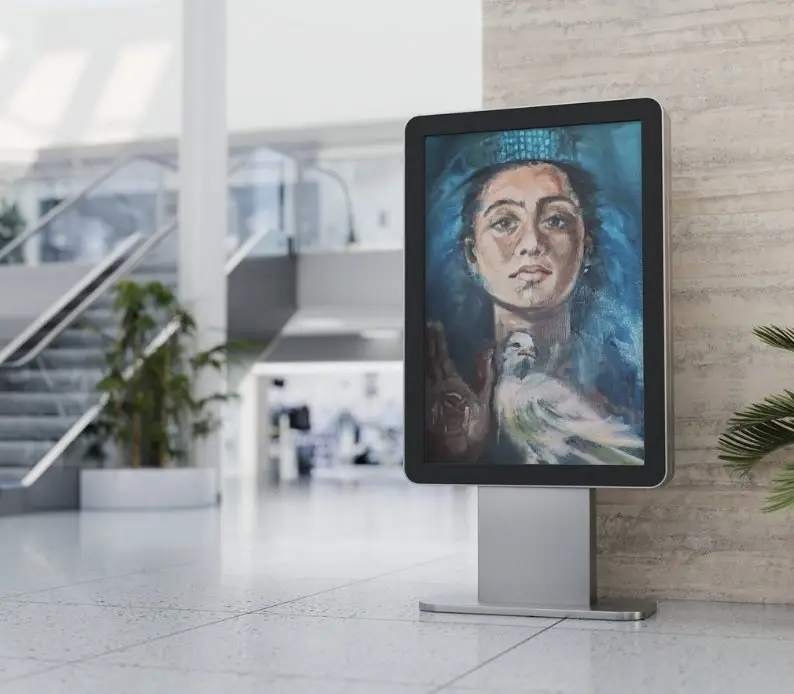
When selecting portrait art, think about the emotional tone you want to convey. Do you want the portrait to create a calming atmosphere or inject energy into the room?
Portrait art’s emotional depth is part of its charm—choose a piece that resonates with you emotionally, whether it’s reflective, joyful, or bold.
If you have a more traditional room, opt for portraits that evoke elegance and timelessness. Famous portrait paintings from historical eras often add authority and grandeur to a space.
Consider placing these classic portraits in key spots like living rooms, hallways, or entryways, where their commanding presence can influence the room’s ambience.
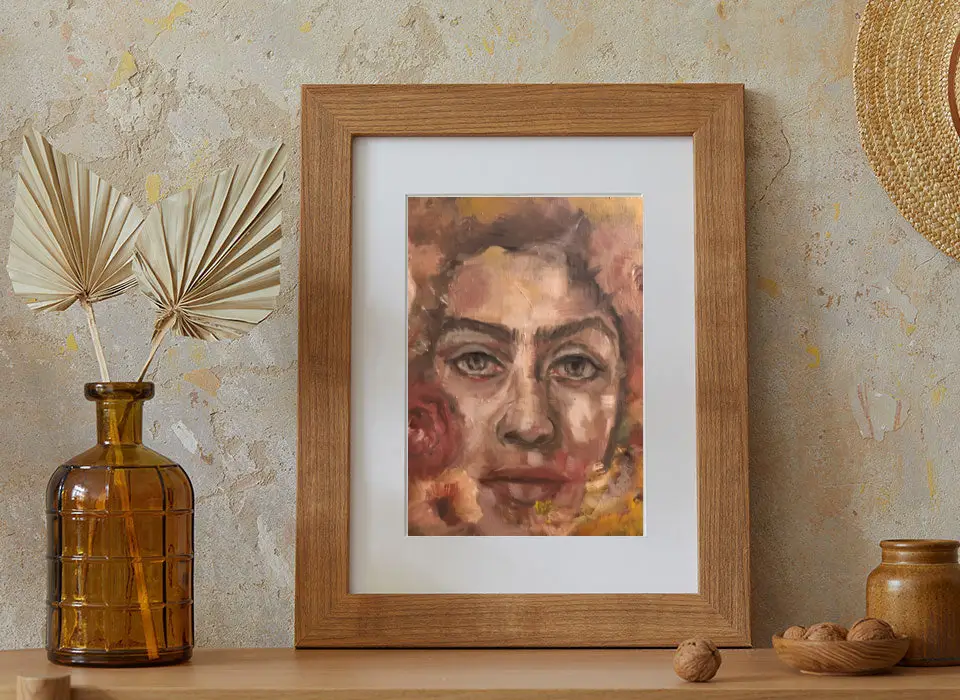
For modern spaces, abstract portraits are perfect for creating a striking contrast against minimalist décor. These dynamic pieces not only add visual interest but can also inject energy into the room, making them excellent focal points.
Abstract portraits feel alive and vibrant, breathing character into the space. Whether it’s bold colours or expressive brushstrokes, they elevate a modern room while maintaining a fresh, artistic flair.
The placement of portrait art plays a crucial role in how it enhances a room. Here are a few strategic placement tips:
One of the most classic places to hang a portrait is directly above the sofa or fireplace. This positions the portrait as a focal point, drawing attention to it immediately upon entering the room.
In spaces with neutral walls, a portrait can break up the monotony and add visual interest. Choose a portrait orientation for pieces placed above furniture to give the space a more elongated, elegant feel, especially in taller rooms.
Bedrooms are the perfect place for a portrait that has emotional significance — whether it’s a family member, loved one, or someone whose story resonates with you. Portraits here provide a personal connection, making the room feel even more intimate.
Additionally, displaying portrait art in the bedroom brings the emotional warmth of the piece into your personal space, offering comfort and connection.
A common consideration when decorating with portraits is the orientation — portrait or landscape. The orientation of the artwork impacts how the piece interacts with the room.
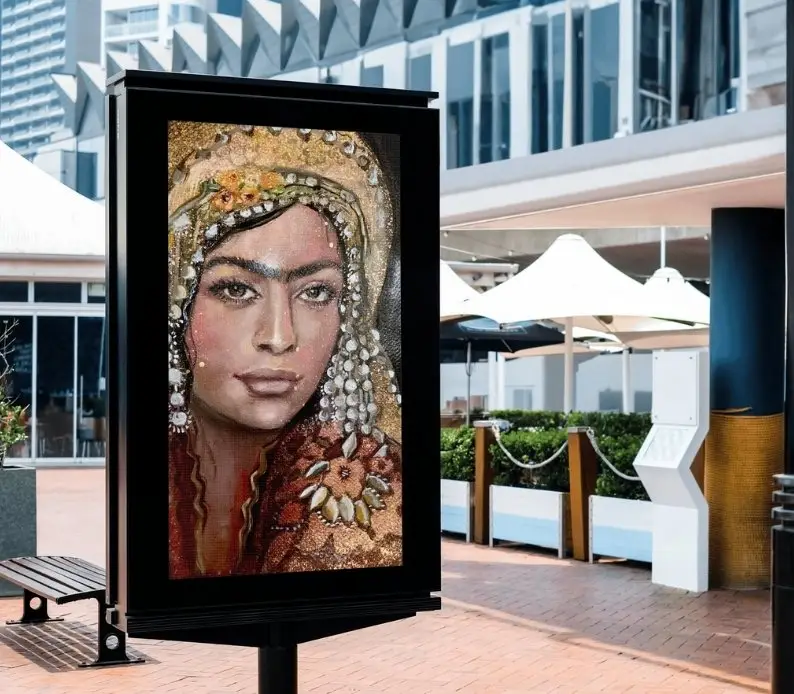
Portrait orientation works best for portraits of people because it mimics the shape of the human body, creating a natural flow. This orientation emphasises height and draws the viewer’s eye upward, creating a sense of grandeur and elegance.
Portrait orientation also works well for tall spaces or narrow walls, especially when you want to create a sense of focus and intimacy.
On the other hand, landscape orientation gives a more expansive feel. It works better in wider spaces and creates a feeling of openness. If your space is more contemporary or laid-back, a horizontal portrait can feel more relaxed and balanced.
When choosing orientation, consider your room’s proportions and the emotional effect you want to create.
Portrait art isn’t limited to any particular design style. It works beautifully in a variety of settings:
In traditional or vintage-inspired spaces, famous portrait paintings from the Renaissance or Victorian era can bring a sense of grandeur and nostalgia. These pieces can blend seamlessly with antique furniture, offering a direct visual link to the past.
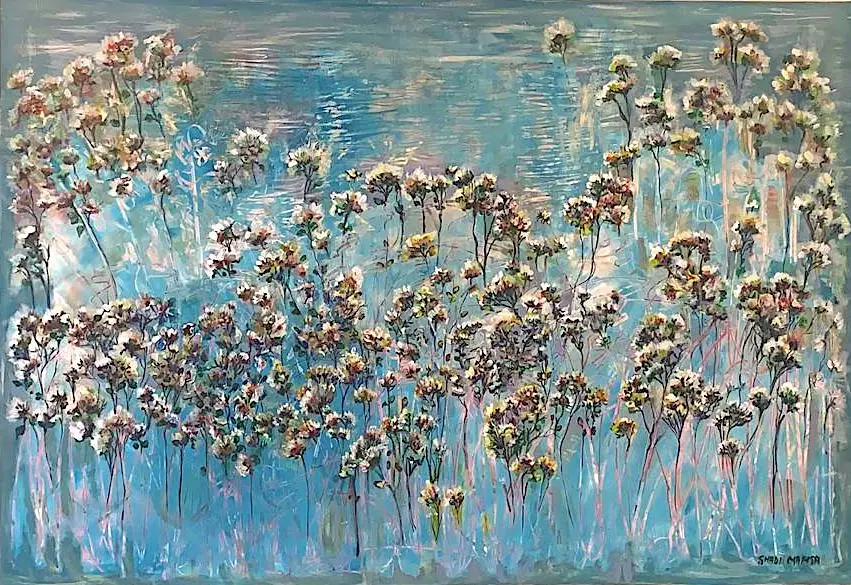
In more contemporary settings, you can mix and match portraits with modern decor for a fresh, artistic flair. Large-scale floral portraits or abstract portraits create balance with modern furniture and neutral tones.
You can see how modern portrait art works in contemporary spaces by browsing through abstract portrait collections.
Portraits have the ability to set the mood of a room. The expressions of the subjects, the colours, and the overall style of the piece influence how the room feels. Use these emotional cues to your advantage when decorating.
If you want to make a bold statement, go for dramatic portrait art. These larger-than-life pieces work well in spacious living areas or entrance halls, where the impact of the portrait can be fully appreciated.
For bedrooms or reading corners, more subtle portraits can create a calming, reflective space. These works provide the comfort of human presence without dominating the room. Think of a portrait in soft tones, which blends seamlessly with serene decor.
Portraits capture not just likeness, but identity, emotion, and memory. This is why incorporating portraits in home decor adds something deeply personal and timeless to your space. They represent both the individual and the collective, linking us to shared history and personal experiences.
When you place a portrait in your home, it becomes part of the room’s story — a reminder of connection, reflection, and presence.
If this guide has inspired you to incorporate portrait art into your own home, the next step is to explore the options available.
Browse through our collection for a variety of styles, from abstract to traditional, and discover pieces that reflect your space and emotional tone. If you’re considering a commissioned portrait, visit the commission guide to learn how to make that vision come to life.
Portrait art works best above furniture like sofas or in personal spaces like bedrooms, where its emotional resonance can shine.
Select a portrait that matches the emotional tone you want for your space, whether that’s bold and dramatic or subtle and serene.
Portrait orientation works for taller spaces, creating focus and verticality, while landscape orientation works better for wider spaces and offers openness.
Absolutely. Abstract portraits convey identity and presence without relying on literal likeness, offering a deeper emotional connection.
Portraits can be integrated into modern spaces by pairing them with minimalist or contemporary furnishings, allowing the artwork to remain a strong focal point.