
The history of portrait painting shows how artists have moved from formal depictions of power and status toward expressive, emotional, and contemporary interpretations of identity.
Portrait painting has evolved from idealised representations of authority into deeply personal expressions of emotion, presence, and identity.
The history of portrait painting is really the history of how people want to be seen and remembered.
Long before photography, portrait painting was the most powerful way to preserve identity and emotional presence, which is why the subject still feels relevant today in discussions about the power of portrait art and capturing emotions on canvas.
Portraits were never just images. They were records of existence — expressions of status, memory, and connection. Even now, when images are everywhere, a painted portrait asks us to slow down and engage more deeply with another human presence.
That quiet intensity is what continues to draw me to portraiture.
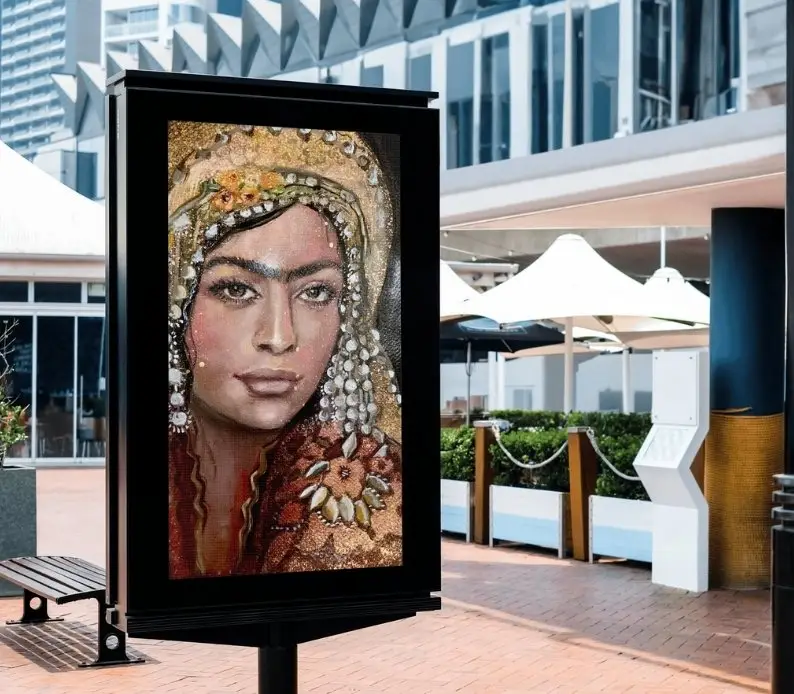
In classical portrait painting, realism and social meaning were inseparable.
Ancient Roman and Renaissance portraits were carefully constructed to communicate authority, permanence, and social hierarchy, laying the foundation for many famous portrait paintings that are still referenced today.
Every detail mattered — posture, clothing, gaze. These portraits weren’t meant to reveal vulnerability; they were designed to project control and legacy.
Classical artists prioritised proportion, controlled lighting, and polished surfaces. Emotion existed, but it was restrained, filtered through formality.
This technical discipline created a strong foundation — one that later artists would intentionally challenge as society changed.
As cultures shifted, portraiture began to change with them.
By the 18th and 19th centuries, artists started portraying sitters with softer expressions and more relaxed poses, marking a key stage in the evolution of portrait art.
Portraits began to reflect individuality rather than authority alone.
Industrialisation, psychology, and social upheaval pushed artists to explore inner life, paving the way for expressive and abstract approaches discussed further in the power of portraiture in modern abstract art.
Portraiture became less about perfection and more about truth.
The real difference between classical and modern portraiture isn’t just style — it’s intention.
Subjects were painted as symbols of refinement, authority, or success, often detached from everyday emotion.
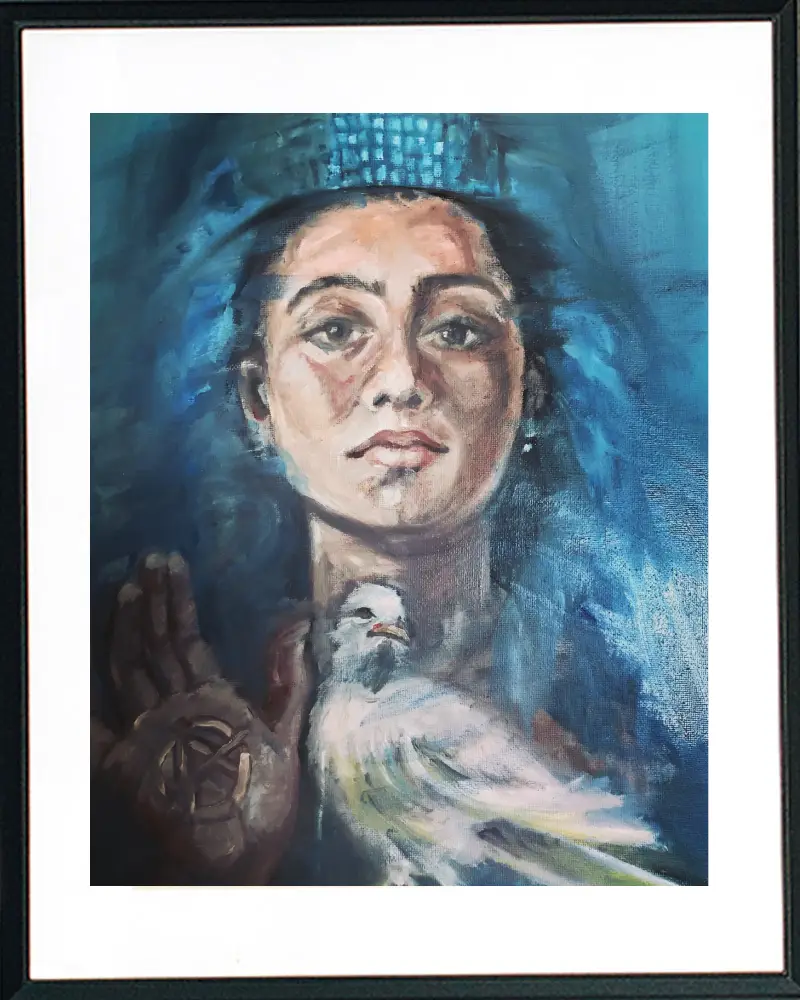
Contemporary portraits allow ambiguity, vulnerability, and complexity, which is why they often feel more human and relatable.
This shift explains why modern portraits sit so naturally in contemporary homes.
Many famous portrait paintings endure not only because of technical skill, but also because they reveal something timeless about identity and presence.
The most powerful portraits feel alive. They hold tension, curiosity, or quiet honesty — qualities that continue to influence contemporary portrait artists and collectors.
That emotional continuity is what keeps portraiture relevant.
Portraiture is about presence rather than precision.
A portrait doesn’t need photographic accuracy to feel authentic. Emotional resonance creates connection — a philosophy that aligns closely with how expressive portrait art is discussed throughout the site.
By softening or abstracting features, portraits can become more universal, allowing viewers to project their own experiences.
This approach often creates a stronger emotional connection than strict realism.
Many people feel unsure about decorating with portraits, especially in modern interiors.
Unlike landscapes or purely abstract works, portraits bring a sense of connection, acting as emotional anchors in a room, much like how statement wall art creates focal points in contemporary interiors.
A single, well-placed portrait often has more impact than multiple competing pieces, especially in spaces meant for reflection or calm.
A common practical question is portrait and landscape orientation.
Portrait orientation naturally echoes the human form, creating intimacy and focus, while landscape orientation feels calmer and more expansive — a consideration that also comes up when choosing the perfect large wall art for your home.
Orientation isn’t just about size; it shapes how a portrait interacts with space and furniture.
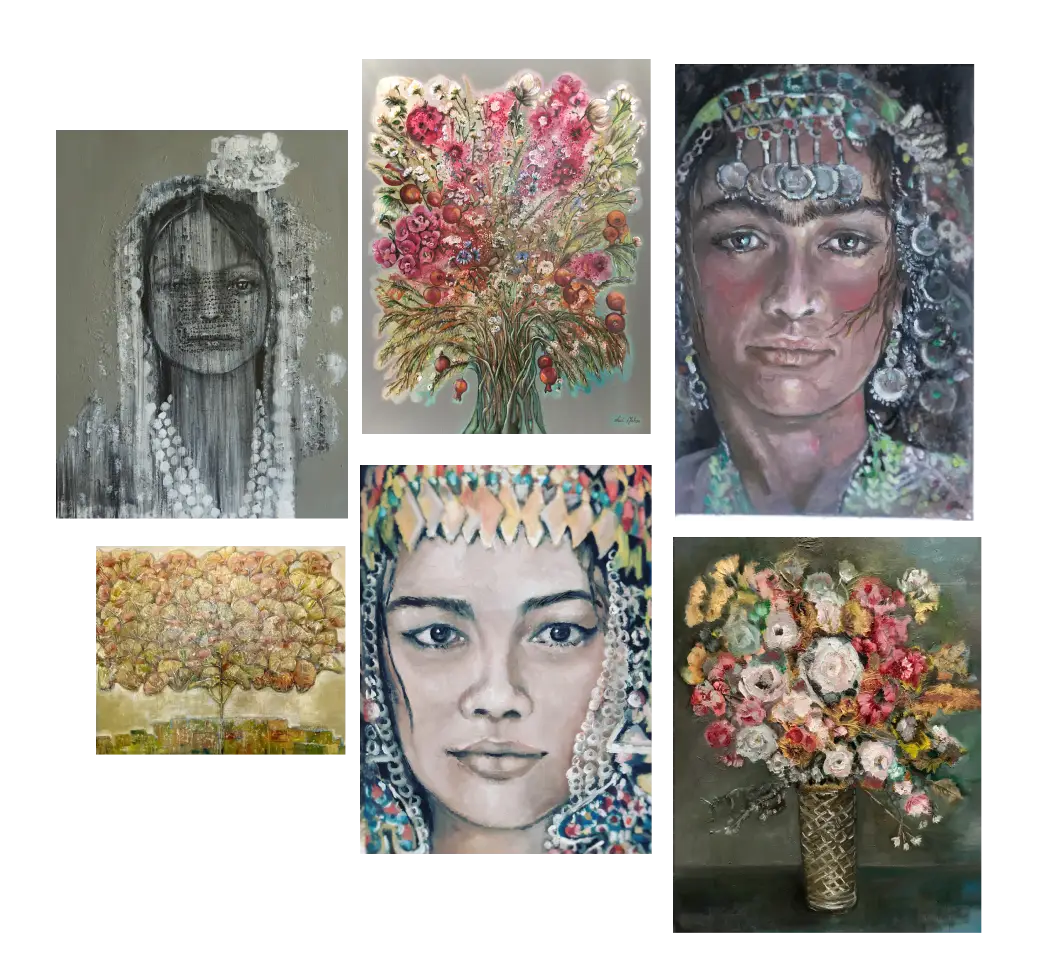
Many people begin exploring how to commission a portrait painting after connecting emotionally with portrait art.
Commissioning today is a collaborative process that prioritises mood, intention, and presence rather than replicating a photograph. This process is explained clearly in the portrait commission guide, which outlines what to expect from the first conversation to the final artwork.
A commissioned portrait often becomes a deeply personal piece — one that holds memory, relationship, or identity over time.
Portraits tend to deepen emotionally the longer they’re lived with.
Light changes, moods shift, and perspectives evolve. A portrait that feels quiet at first may become more meaningful over time, especially when it sits alongside other expressive works within a curated space like the portrait collection.
This long-term relationship is part of what makes portrait art different from trend-led decor.
In a world dominated by fast, disposable images, portrait painting invites stillness.
The history of portrait painting continues not because tradition demands it, but because the desire to be seen, understood, and remembered is deeply human.
Portraits offer presence in a way few other art forms can.
If portraiture resonates with you — emotionally or aesthetically — the most meaningful next step is to spend time with the work itself.
You’re welcome to explore our collections or get in touch to discuss placement or commissions.
Portrait painting represents a person through emotion, presence, and identity rather than just physical likeness.
Portrait art has evolved from formal depictions of power into expressive, contemporary interpretations of identity.
Yes. When chosen intentionally, portraits add depth and human presence to modern spaces.
Portrait orientation creates intimacy, while landscape orientation offers balance depending on the space.
Absolutely. Abstract portraiture often deepens emotional connection by focusing on presence over detail.