
Statement wall art becomes the visual anchor of a room by drawing the eye, creating emotional impact and defining the room’s personality. A true focal point uses size, colour, placement and intention to shape the entire atmosphere of your space.
Statement wall art anchors a room with emotion, scale and presence. Choose bold pieces that define the mood and guide the interior design naturally.
A room changes the moment you introduce a focal point. The space gains direction, atmosphere and presence. Statement wall art is one of the simplest and most intentional ways to create that feeling — a single artwork that grounds the room and becomes its defining moment. When I create large or expressive pieces, I imagine how they will shape the emotional story of a home. This guide walks you through how to choose, place and style statement wall art so it transforms your space with purpose.
If you want to explore the broader role of large artworks in each room, you may also enjoy my guide on decorating with large wall art.
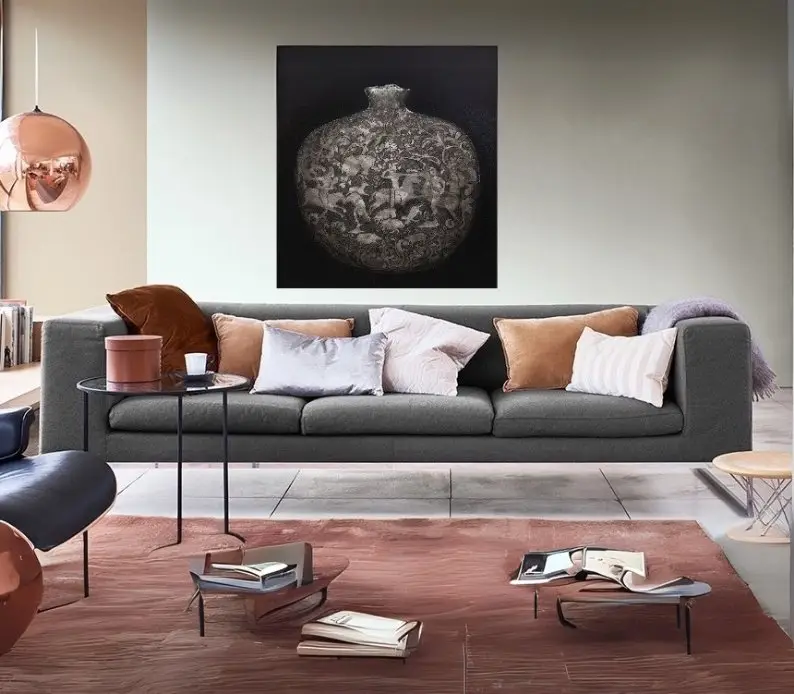
Statement wall art is a piece that draws the eye immediately when you enter a room. It becomes the anchor — the artwork that defines the mood, sets emotional tone and influences the entire interior around it.
Characteristics of Statement Art:
Statement art commands space. Its generous dimensions instantly draw the eye and create a natural focal point, allowing the artwork to shape the visual flow of the entire room.
These pieces don’t whisper — they communicate. Whether through dynamic brushstrokes, symbolic imagery or subtle tension, statement art invites an emotional reaction and sets the tone of the space.
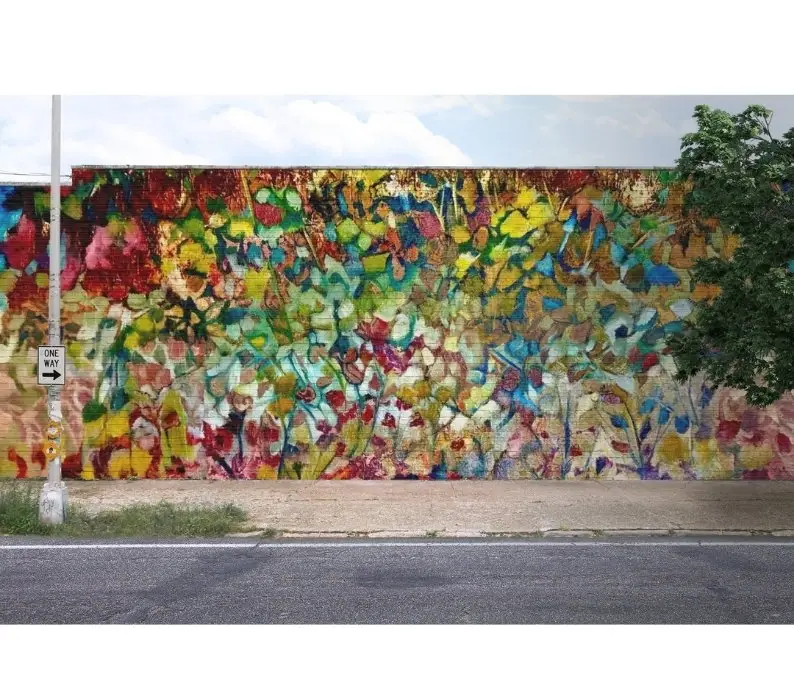
A statement artwork often features striking colour palettes, dramatic contrasts or unconventional compositions. These elements work together to inject energy, personality and intention into the room.
Every statement piece carries its own identity — a certain mood, narrative or artistic voice that can’t be replicated. It stands out as a one-of-a-kind element that defines the character of your interior.
Location is everything. Statement art is positioned strategically so it becomes the room’s anchor — above a sofa, at the end of a hallway, over a bed or in an entryway where it can make an immediate impact.
A focal point isn’t just the biggest artwork — it’s the one that feels impossible to ignore.
A true focal point gives the room clarity. It tells the eye where to rest, brings coherence to furniture placement, and creates harmony between colour, scale and texture.
Statement Wall Art Helps You:
It establishes a clear centre of attention, preventing the space from feeling scattered or undefined.
Whether bold and dramatic or soft and contemplative, a statement piece sets the emotional temperature of the room.
Large-scale artworks introduce dimension, layering and artistic refinement that elevate even the simplest interiors.
By directing the viewer’s gaze, statement art helps organise how the room is experienced as you move through it.
In pared-back settings, one powerful artwork adds warmth, character and a sense of intentional design.
It transforms empty expanses into engaging visual moments that give the room soul and personality.
If you’d like to see examples of pieces designed to hold presence, you can explore my abstract collection and nature collection.
The human eye instinctively searches for order. A focal point satisfies that need by providing a place for the gaze to land, reducing visual noise and creating a sense of calm. Statement wall art not only organises the room — it shapes how the space feels.
Emotionally, a focal point can:
Vibrant colour or dynamic movement enlivens the room instantly.
Soft palettes or serene compositions can make a space feel more grounded and restful.
Abstract or symbolic pieces invite viewers to pause, interpret and connect.
A thoughtfully chosen focal point ties the design together, giving the room a finished, intentional look.
If you’re exploring how colour influences mood, you may enjoy my guide on the role of colour in wall art.
Choosing a focal piece requires balancing emotion, scale and style. Here’s how I guide clients when designing their rooms around a single strong artwork.
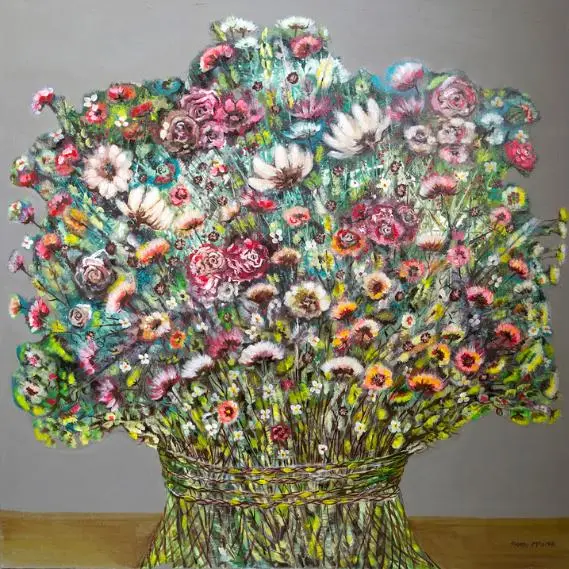
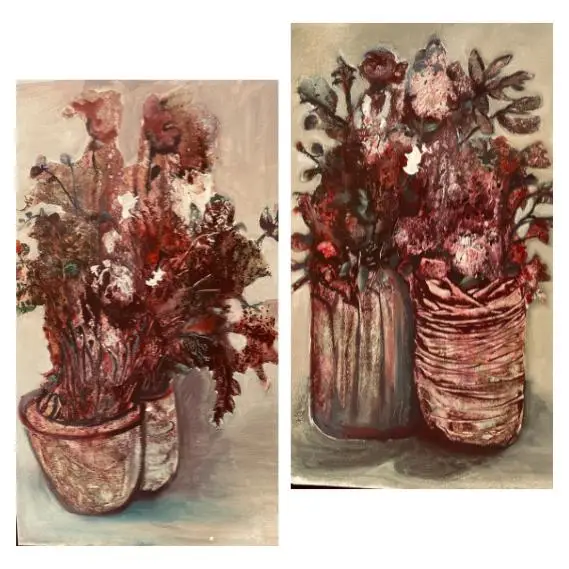
Start by asking yourself what you want the room to feel like. If you’re seeking calm, soft nature-inspired artworks will create a soothing atmosphere. For a more energised space, bold abstract pieces introduce movement and vitality. Earth-toned compositions are ideal when you want the room to feel grounded and centred, while expressive florals bring a romantic, emotive quality.
If you’re drawn to floral themes, you can explore my floral collection or read floral art in interior design to see how botanicals influence space.
Scale is the foundation of a strong focal point, and selecting the correct size ensures your artwork enhances rather than overwhelms the space. Larger rooms flourish with oversized pieces that command attention, while smaller rooms can feel balanced and intentional with one powerful medium-sized artwork. As a general guide: aim to fill 50–75% of the wall width, choose artwork that is roughly two-thirds the width of the furniture beneath it, and keep the centre of your piece at eye level for optimal impact.
For deeper guidance on choosing scale, see how to choose the perfect large wall art for your home.
Colour is one of the strongest determinants of how your focal point will emotionally influence the room. Soft palettes create tranquillity, encourage relaxation, and are especially suited to bedrooms or quiet retreats. In contrast, bold colour palettes energise the atmosphere, spark conversation, and bring vibrancy to living rooms and entryways.
If you want a deeper understanding of how colour shapes mood, you might enjoy my article about the role of colour in wall art.
The format of your artwork plays a significant role in how it interacts with the rest of your interior. Canvas pieces offer a clean, modern, and seamless look that feels light and contemporary, while framed artworks introduce structure, definition, and a more classic aesthetic. Each format creates a different mood within the space, so choosing the right one helps your focal point feel intentional and cohesive.
If you’re unsure which suits your home, you can read my comparison of canvas and framed wall art.
Your home is an extension of who you are. Let the focal point reflect something meaningful — a memory, a feeling, a part of your identity.
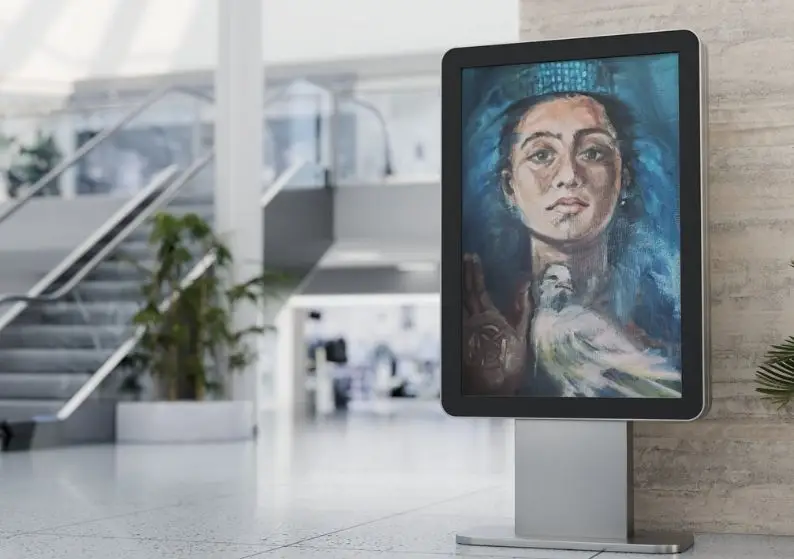
Portrait lovers may enjoy exploring my portrait collection. If you’re looking for something personal, you can also request a custom painting.
Some rooms naturally lend themselves to bold focal points.
This is the most popular space for statement art. One large piece above the sofa or on the main feature wall can transform the entire experience of the room.
Bedrooms benefit from soft or atmospheric statement pieces that create calm. Artwork above the headboard is the most intuitive placement.
A bold artwork behind the dining table becomes a natural visual anchor for the space — defining the room’s mood without overpowering it.
A focal piece in the entryway sets the emotional tone for the entire home. If you have a long hallway or staircase, consider a tall work or a multi-panel composition from the abstract collection or nature collection.
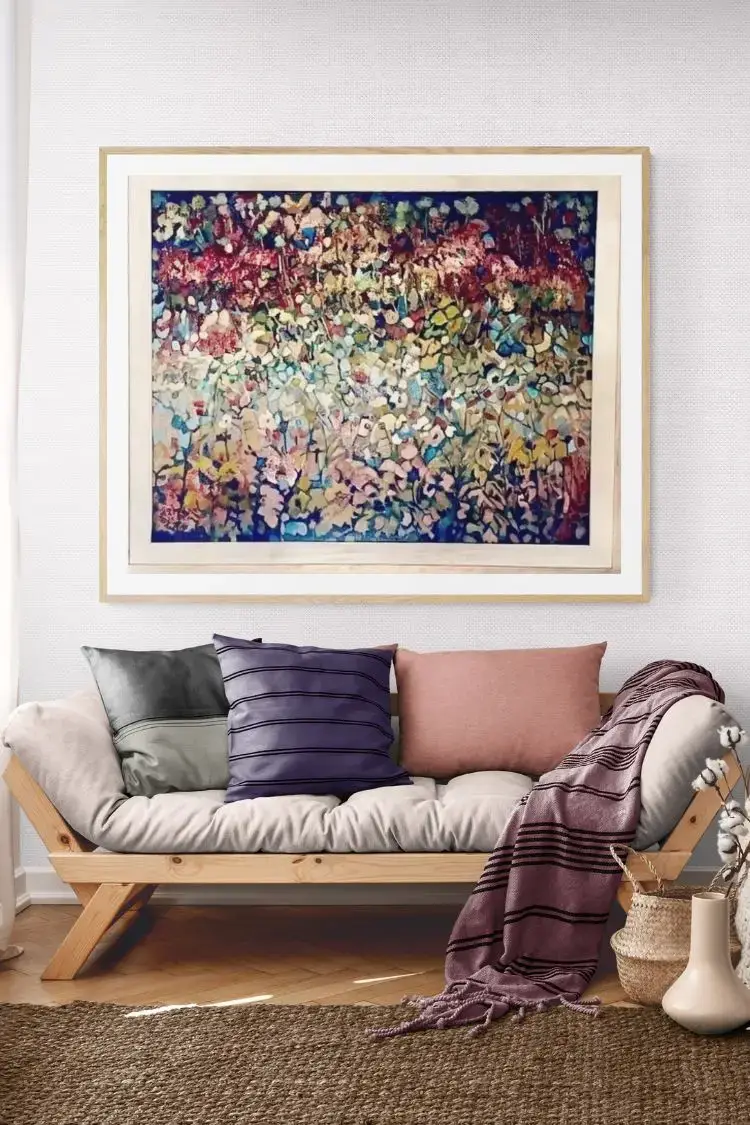
The centre of the artwork should sit around 145–155 cm from the floor.
A focal point loses impact if it competes with clutter.
This may be above the sofa, opposite the entryway or on a feature wall.
Soft, warm lighting creates depth and enhances texture.
Choose art with gentle transitions and open compositions.
Bold abstracts and high-contrast works shine here.
Framed florals or expressive portraiture fit beautifully.
Mix textures and colours while keeping one dominant focal piece.
Undersized art is one of the most frequent design mistakes. When a piece is too small, it gets lost on the wall, making the room feel unfinished and visually unbalanced. A statement artwork should hold presence and proportion — not disappear into empty space.
Artwork hung too high disrupts the natural flow of the room and forces the viewer to crane their neck upward. The centre of your artwork should sit at eye level, creating a comfortable and harmonious viewing experience.
Multiple strong focal points compete for attention and create visual chaos. Instead, let one hero piece lead the room, while any additional artwork plays a supporting, more subtle role.
If the colours, shapes or scale of the art clash with surrounding elements, the room can feel disjointed. Your statement piece should work with the furniture — not overpower it or disappear behind it. Alignment, spacing and proportional harmony are key.
Colour influences emotion more than most people realise. Choosing a piece solely because you like it — without considering how its palette affects the room’s atmosphere — can lead to a space that feels too intense, too dull or simply mismatched. Understanding colour psychology ensures your focal point reinforces the mood you want to create.
A statement artwork is more than decoration — it becomes the soul of the room. Whether you’re drawn to expressive abstracts, soft florals, bold portraits or nature-inspired pieces, the right focal point shapes the emotional experience of your home.
If you’d like personalised guidance choosing the perfect statement piece, I’d love to support you.
Contact us now to discuss your space and find the artwork that will define it beautifully.
Not always, but size helps create impact.
It should harmonise — not match exactly.
Yes, as long as it’s sized appropriately and allowed to breathe visually.
Choose based on your interior style. Canvas feels modern; framed pieces feel more classic.