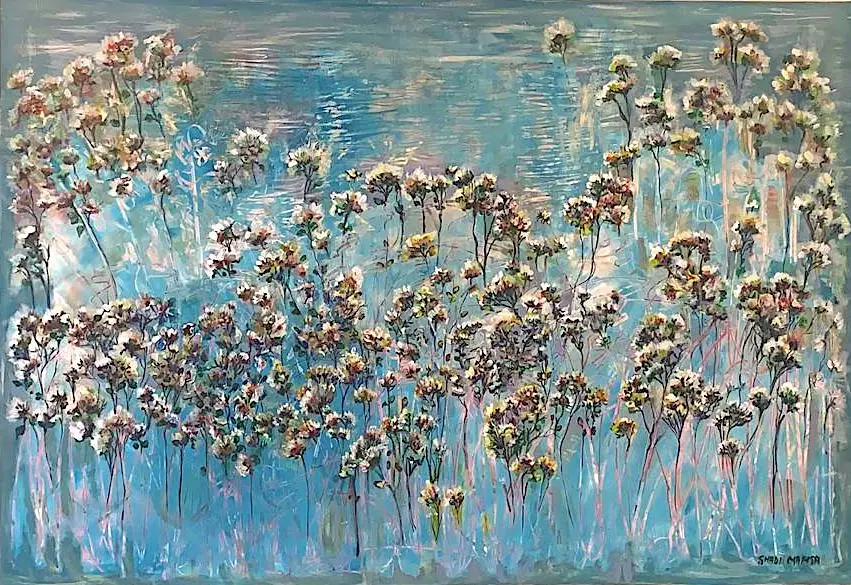

Some of the most famous abstract paintings became iconic because they broke traditional rules of art, focusing on emotion, colour, and movement rather than realistic subjects.
Famous abstract paintings are powerful because they tell emotional and cultural stories through colour, form, and expression rather than literal imagery.
What you’ll learn:
When people first encounter abstract art, the most common question is: “What does it mean?”
But when you look at the world’s most famous abstract paintings, you begin to realise they weren’t created to give answers — they were created to change how we experience art.
These works shifted the role of the viewer. Instead of simply observing, we’re invited to feel, interpret, and respond — something that becomes much clearer when understanding abstract art through emotion and expression.
What makes these works iconic isn’t just technique — it’s their ability to remain relevant across time, which is something I often reflect on when discussing why abstract art works so well in modern homes.
Often considered one of the first true abstract painters, Kandinsky believed that art should express inner emotion rather than external reality.
Composition VII is chaotic, layered, and deeply emotional. There’s no single focal point, yet everything feels connected. This marked a major turning point in the history of abstract art and its key movements.
Kandinsky associated colour with sound and emotion. For him, painting was like composing music — something felt rather than understood.
At first glance, Mondrian’s work looks simple — grids and primary colours.
This is one of the most recognisable abstract art masterpieces, reducing art to its most essential elements: line, colour, and balance.
Mondrian was searching for harmony and order. His work reflects a belief that simplicity can express universal truth — an idea that still influences how decorating with abstract art in modern interiors.
Rothko’s large colour field paintings are among the most emotionally powerful examples of iconic abstract art.
Standing in front of a Rothko painting creates an immersive emotional experience. The scale and colour are designed to surround you.
Rothko wasn’t interested in decoration — he wanted his paintings to evoke deep emotional states.
That kind of experience is something people often begin to understand when they spend time on an abstract art collection designed for real living spaces.
Pollock’s drip paintings redefined what painting could be.
Instead of traditional brushwork, Pollock poured and dripped paint onto canvas, creating dynamic, energetic compositions.
His process was physical and intuitive, reflecting movement and chaos — ideas that connect closely to how chaos theory inspires abstract art.
One of the most radical works in art history, Black Square pushed abstraction to its limits.
It’s simply a black square — yet it challenged the idea that art needed to represent anything at all.
Malevich believed art should exist independently of the physical world, opening the door to pure abstraction.
Long overlooked, Hilma af Klint is now recognised as a pioneer of abstract art.
Her large-scale works explore spirituality, growth, and human existence.
Af Klint believed her work was guided by higher forces and wasn’t meant to be immediately understood.
Her work reflects the same openness that people discover when learning how to interpret abstract art as a beginner.
Even though these artists worked in very different ways, their paintings share something important.
None of these works aims to replicate the visible world.
They shifted focus from representation to interpretation.
There’s no single meaning — and that openness is what gives them longevity.
You don’t need to stand in a museum to experience abstract art.
Abstract paintings don’t tell a fixed story. They create mood — calm, energy, or balance — which is why they work so well when browsing an abstract art collection for your home.
A painting can feel completely different depending on light, mood, and time of day.
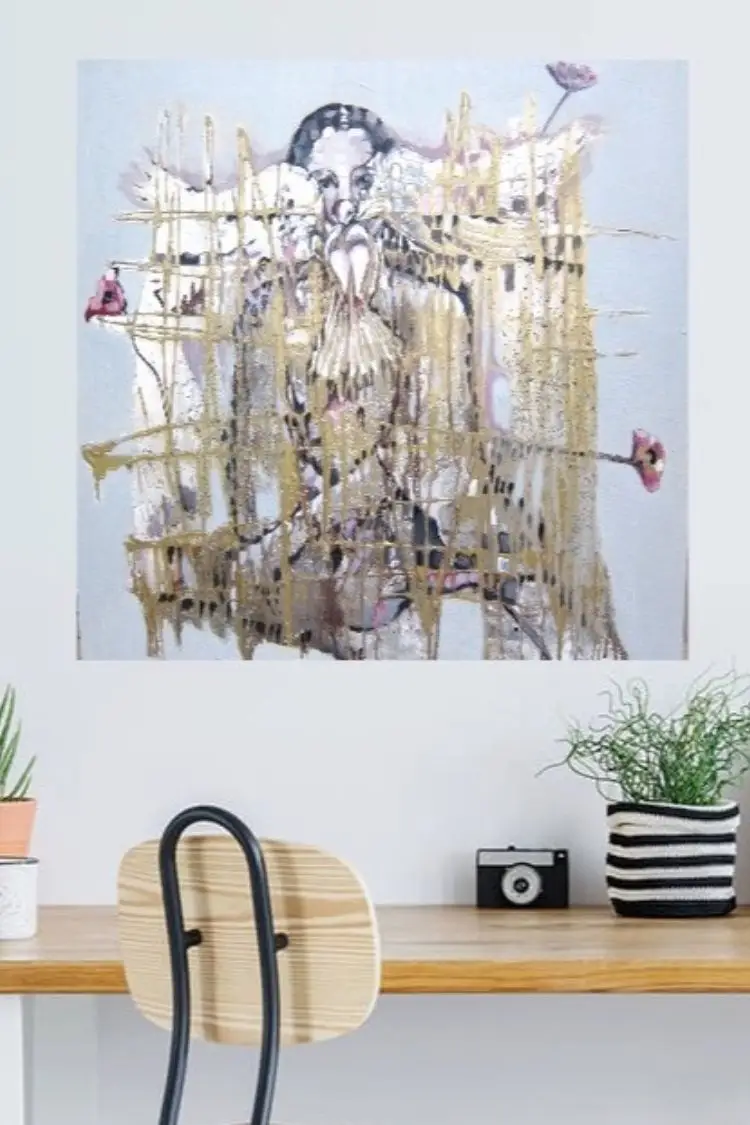
In a world filled with constant noise and imagery, abstract art offers something rare.
It creates space.
Space to pause, reflect, and interpret.
That’s why the most famous abstract paintings continue to resonate today.
If these stories have changed how you see abstract art, the next step is simply to spend time with it.
Browse through the abstract art collection to explore a range of expressive works and see how different pieces interact with space and light. If you’re still unsure where to begin, you can read the beginner’s guide to interpreting abstract art to build confidence in choosing a piece that resonates with you.
And if you’d like personal guidance, you’re always welcome to contact us!
Some of the most famous abstract paintings include works by Wassily Kandinsky, Piet Mondrian, Mark Rothko, Jackson Pollock, and Kazimir Malevich, all of whom helped shape modern abstract art.
Abstract paintings are important because they shifted art away from realistic representation and toward emotional expression, allowing viewers to interpret meaning personally.
An abstract painting becomes iconic when it introduces a new way of seeing, influences other artists, and continues to evoke strong emotional responses over time.
No. You don’t need formal knowledge to appreciate abstract art — focusing on how the artwork makes you feel is often the most meaningful way to engage with it.
Abstract art is commonly used in home decor to create mood and atmosphere, making it ideal for modern spaces where flexibility and personal interpretation are valued.